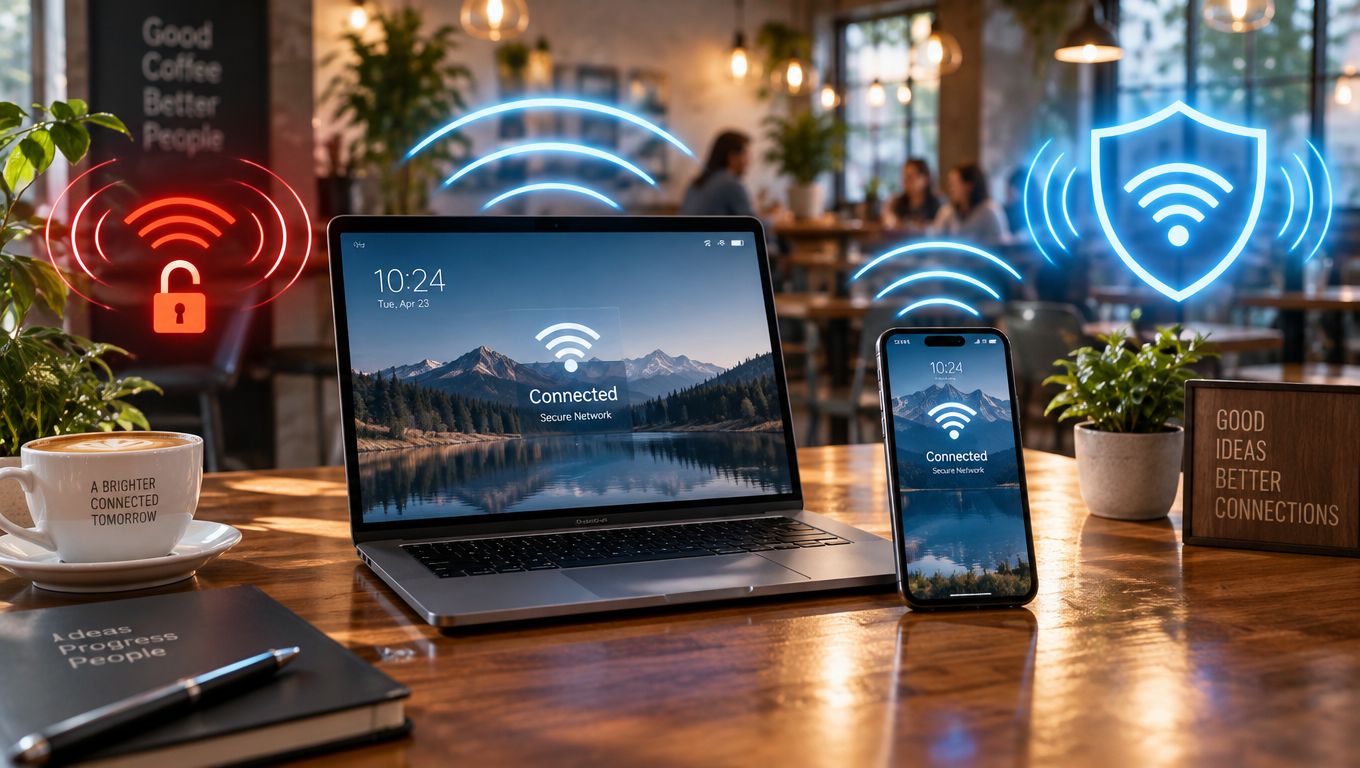
In a busy cafe or restaurant, interruptions come from many directions. Orders change, tables need clearing, and customers ask questions. When the guest Wi-Fi becomes unreliable, it adds another layer of disruption that staff must handle. These technical interruptions may seem minor on their own, but over the course of a day they quietly reduce efficiency and increase pressure on the team.
A better designed guest network can reduce many of these interruptions. The goal is not perfection. It is consistency and fewer moments when staff have to stop what they are doing to deal with connectivity problems.
Common Interruptions Caused by Basic Guest Wi-Fi
Traditional shared guest networks often create recurring issues. Customers struggle to connect. Devices drop offline without warning. The network slows noticeably during peak hours. Staff are asked to re-enter passwords, restart routers, or explain temporary problems.
Each of these moments pulls an employee away from serving customers or managing the floor. In independent venues with lean teams, the cumulative effect is noticeable. Time spent on technical troubleshooting is time not spent on hospitality.
Why These Problems Appear More During Busy Periods
When the venue is quiet, a basic network may perform adequately. When many devices connect at once, weaknesses become visible. Shared networks place all users in the same environment. Heavy usage by one device can affect others. Without proper isolation or monitoring, problems are harder to contain.
Peak hours place the greatest demand on the system. This is also when staff have the least capacity to handle extra requests. The result is a cycle of interruptions at the worst possible time.
Practical Improvements That Reduce Interruptions
Several design choices make a measurable difference in daily operations.
Session isolation
When each guest device receives its own private network space, the activity of one user is less likely to interfere with others. This reduces the chance that a single problematic device disrupts the entire network.
Intelligent monitoring
Systems that observe traffic patterns can detect unusual behavior early. When issues are identified and limited automatically, staff do not need to intervene as often.
Consistent performance under load
A network designed for stability rather than maximum theoretical speed tends to remain usable during busy periods. Customers experience fewer drops and slowdowns, which means fewer requests for help.
Simple access process
A clean and reliable connection process reduces the number of times customers ask staff for assistance with passwords or login steps.
These improvements do not eliminate every technical issue. They reduce the frequency and severity of problems that require human intervention.
The Effect on Staff and Service Flow
When connectivity problems decrease, staff regain time and focus. They spend less energy answering the same questions and more energy on service. The working environment becomes calmer during peak periods. Customers experience fewer frustrations related to the network, which supports a smoother overall visit.
Over time, fewer interruptions also reduce background stress for the team. Employees are not constantly switching between hospitality tasks and informal technical support.
How HotWifi Addresses These Interruptions
HotWifi was built with the daily realities of independent cafes and restaurants in mind. The platform uses a zero-trust approach in which every guest session is isolated. This design limits the impact one device can have on others.
An AI monitoring layer observes traffic and can automatically respond to disruptive patterns. Most of these functions operate in the background. The result is a more consistent connection that requires less attention from staff.
Owners also gain clearer visibility into usage patterns without needing complex tools. This supports better operational decisions while keeping the system practical to manage.
A Practical Priority for Independent Venues
Independent restaurants and cafes operate with limited staff and tight schedules. Any reduction in avoidable interruptions has real value. A more reliable guest network decreases the number of technical questions directed at employees. It supports smoother service flow. It reduces unnecessary pressure during the busiest parts of the day.
Speed still matters within reasonable limits. Extremely slow connections frustrate people. Beyond a certain point, however, consistency becomes the more important factor. Both staff and customers notice reliability more than peak performance numbers.
Looking Ahead
As venues continue to rely on digital menus, ordering tools, and guest connectivity, the quality of the underlying network becomes part of everyday operations. Treating Wi-Fi as a simple utility that only needs to function most of the time is no longer sufficient. Reducing daily interruptions has become a practical operational goal.
For owners who want to support their teams and create a smoother experience for customers, focusing on network reliability is a worthwhile step. Systems designed with isolation, intelligent monitoring, and simplicity in mind can deliver that consistency without adding complexity.
If you are reviewing the performance of your current guest network and want to explore practical ways to reduce interruptions, we are happy to discuss options that fit the realities of independent cafes and restaurants.