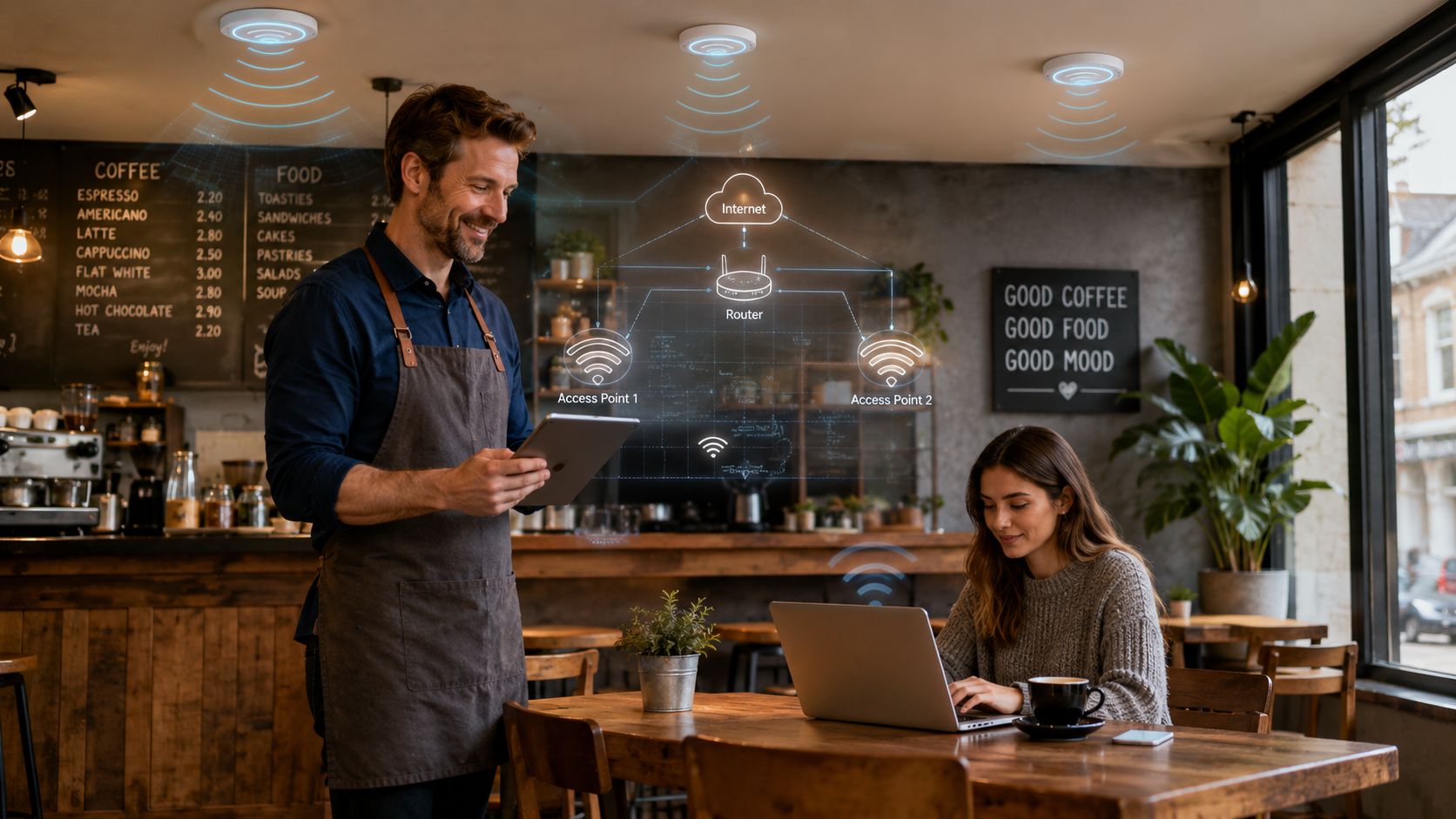
In an era defined by instant connectivity and omnipresent digital services, the expectations of daily consumers have undergone a dramatic transformation. A decade ago, walking into a coffee shop, hotel lobby, or retail store and finding an open Wi-Fi network felt like a pleasant bonus. Today, internet access in public and commercial spaces is no longer viewed as a luxury or a novelty. Instead, it has become a fundamental baseline requirement, much like lighting, air conditioning, or clean seating. However, while customer expectations regarding digital connectivity have surged to unprecedented heights, the reality of what most businesses offer under the label of free Wi-Fi remains surprisingly primitive. This widening divide between what modern consumers anticipate and what standard public networks actually deliver creates a subtle yet persistent friction that can harm customer loyalty, brand perception, and ultimate revenue.
To understand why this gap has widened so significantly, one must first examine how human habits around connectivity have evolved. Modern consumers do not merely use the internet to check an occasional email or send a quick text message. They stream high-definition video, participate in remote video conferences, upload heavy media files to social networks, and rely on real-time cloud applications for work and personal management. Furthermore, the modern consumer is almost always multi-device oriented. A single visitor might carry a smartphone, a laptop, and a smartwatch or tablet, all attempting to authenticate and consume bandwidth simultaneously. When these individuals step into a commercial establishment, they expect their digital life to continue seamlessly without disruption, buffering, or compromised security.
Unfortunately, the typical basic free Wi-Fi setup offered by many businesses fails to keep pace with these demands. In most standard installations, a venue simply installs a commercial broadband router, sets up an open access point with a simple password printed on a chalkboard, or implements an outdated landing page that demands unnecessary personal details while offering sluggish speeds. These traditional networks are rarely engineered to handle high client density, leading to frequent connection drops, slow page loading times, and overall frustration. When a customer spends five minutes trying to connect to a public network only to experience agonizingly slow speeds, the dynamic shifts from a positive brand interaction to a irritating obstacle.
Beyond simple performance issues, security concerns have become a paramount driver of the growing expectation gap. Today, consumers are far more educated about cybersecurity risks than they were in the past. News stories regarding data breaches, identity theft, and network sniffing have made people cautious about connecting to unsecured open networks. A basic free Wi-Fi network that lacks robust encryption or isolated guest segmentation poses a genuine threat to users. When a business provides an insecure digital environment, it inadvertently signals a lack of care for its customers’ privacy and safety. If a consumer feels uncomfortable completing a quick bank transaction or signing into a work portal while sitting in a venue, the business has failed to provide a trustworthy environment.
The negative consequences of relying on outdated basic Wi-Fi extend beyond customer discomfort; they directly impact the operations and profitability of the business itself. From a marketing and customer engagement perspective, basic Wi-Fi represents a massive missed opportunity. Standard consumer-grade networks operate passively. They provide bandwidth to visitors without gathering actionable insights, driving brand awareness, or facilitating direct communication. While the business pays for the internet service monthly, it receives zero strategic return on investment. The network functions as a pure utility expense rather than an active asset capable of growing the business.
Furthermore, basic public networks create continuous operational headaches for staff. In venues running traditional Wi-Fi, front-line employees regularly find themselves acting as technical support agents. Baristas, front desk clerks, and retail associates spend valuable time resetting routers, repeating complex passwords, and trying to troubleshoot why a specific customer device cannot stay connected. This operational friction distracts staff from their primary responsibilities, reduces service efficiency, and lowers overall service quality. A network that requires constant manual intervention is inherently flawed in a modern commercial setting.
To bridge this expanding gap, forward-thinking businesses must rethink their approach to guest connectivity entirely. Offering Wi-Fi can no longer be treated as a passive, low-cost line item on a facility checklist. Instead, it must be recognized as a crucial touchpoint in the overall customer experience journey. Modern venues require a solution that delivers exceptional speed, enterprise-grade security, flawless stability under high device counts, and an intuitive user onboarding process. Simultaneously, the underlying system should transform connectivity into a valuable channel for engagement, analytics, and brand promotion.
This transformation is precisely where HotWifi demonstrates its strategic value. By moving far beyond the limitations of basic off-the-shelf networking, HotWifi provides a comprehensive managed environment designed specifically to align venue infrastructure with modern consumer demands. Rather than forcing visitors through tedious connection procedures or leaving them with unreliable speeds, the platform delivers a streamlined, branded portal that ensures instant, secure access while maintaining high network stability even during peak operating hours.
For businesses aiming to turn connectivity into a competitive advantage, HotWifi bridges the expectation gap by turning ordinary guest access into a powerful operational tool. The platform enables venues to deliver the lightning-fast, secure experience that modern consumers expect while simultaneously unlocking powerful capabilities for the owner. Through targeted landing pages, integrated marketing tools, and deep behavioral analytics, businesses can gather meaningful insights about foot traffic, boost customer retention, and present personalized promotions right at the point of connection. Instead of frustrating visitors with slow speeds and confusing passwords, venues utilizing HotWifi deliver a polished digital experience that elevates their overall brand presence.
In conclusion, the days when simply offering an open router signal was enough to satisfy visitors are long gone. The gap between customer expectations and basic free Wi-Fi continues to grow wider every day, driven by demanding digital habits, higher security awareness, and the need for seamless connectivity. Businesses that rely on outdated, unmanaged Wi-Fi systems risk frustrating their patrons, burdening their staff, and missing out on critical marketing opportunities. By embracing advanced connectivity solutions like HotWifi, organizations can eliminate digital friction, protect their visitors, and transform an everyday necessity into an asset that drives long-term growth and customer loyalty.