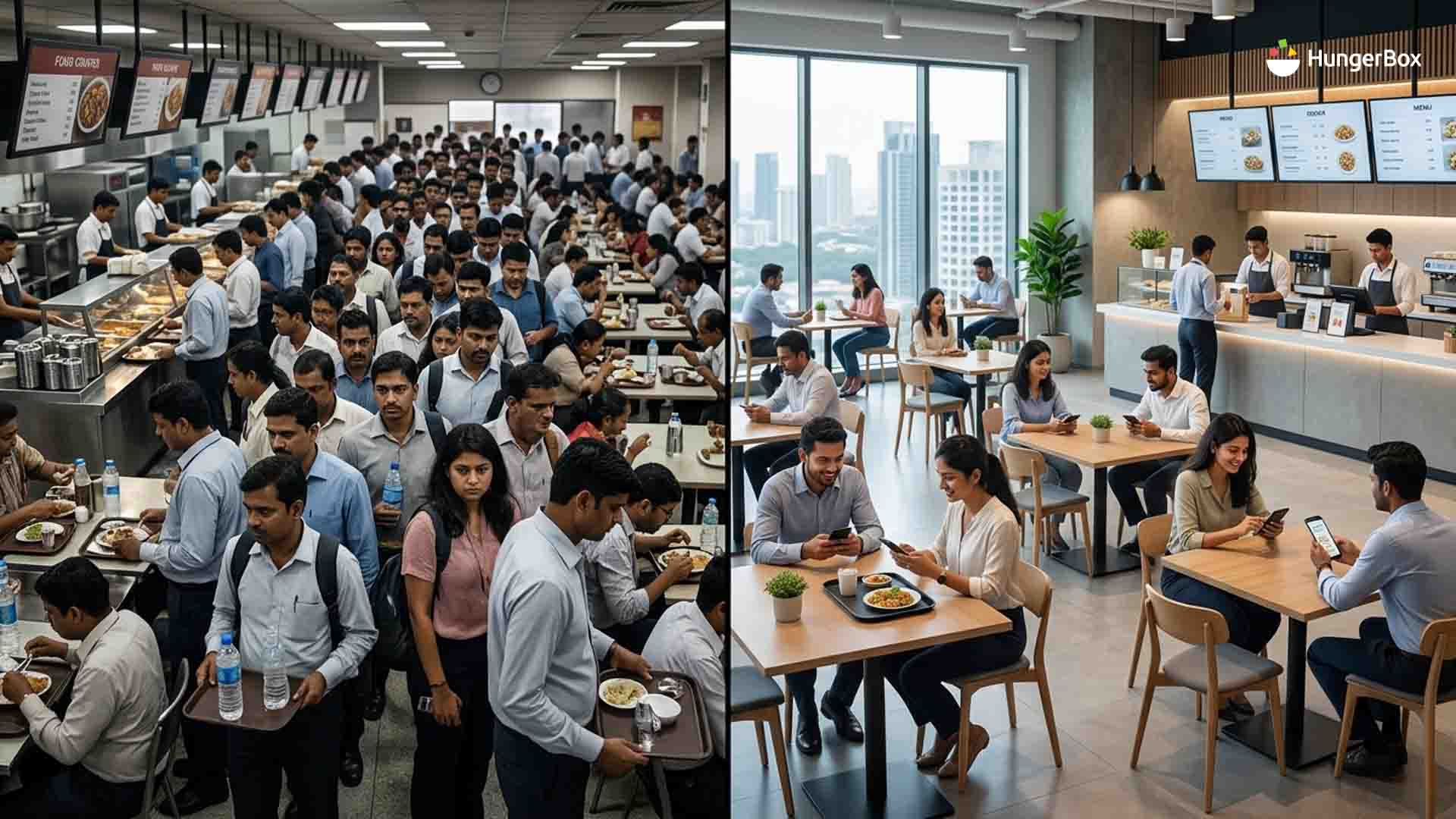
In a busy restaurant or cafe, every minute counts. Staff move quickly between tables, orders, and customer requests. When the guest Wi-Fi becomes unreliable during peak periods, the impact is rarely limited to customers alone. It often lands directly on the team.
Network stability is not just a technical issue. It has a clear and practical connection to staff productivity, especially when the venue is at its busiest.
What Happens When the Network Becomes Unstable
During slower periods, occasional connection problems may go almost unnoticed. During rush hours, the same problems become highly visible. Customers ask for help reconnecting. Pages load slowly. Digital menus or ordering devices behave unpredictably. Staff members are interrupted in the middle of other tasks.
These interruptions may seem small individually. Over the course of a busy service, they add up. Employees lose focus. Service slows. The overall rhythm of the floor is disrupted.
The Direct Effect on Staff Productivity
When the network is unstable, staff often become informal technical support. They answer repeated questions about the Wi-Fi password, help customers reconnect devices, or try to explain temporary slowdowns. This pulls them away from their primary responsibilities: taking orders, delivering food, managing tables, and maintaining the atmosphere of the venue.
In independent restaurants and cafes, teams are usually lean. There is limited capacity to absorb extra tasks. Every minute spent troubleshooting connectivity is a minute not spent on service. Over time, this reduces overall efficiency and increases pressure on the team.
Staff may also experience rising frustration. Repeated technical interruptions during already demanding periods make the workday harder than it needs to be.
Impact on Customer Experience and Operations
Unstable connectivity affects more than staff time. Customers who struggle to stay online may become mildly irritated. Some may leave earlier than planned. Others may mention the experience in reviews. While Wi-Fi problems alone rarely destroy a reputation, they contribute to a less polished overall impression.
Operational systems can also be affected. Digital menus, tablets used for ordering, or payment-related tools that rely on the same network may perform less reliably during peak traffic. This creates additional friction at exactly the wrong time.
Why Busy Hours Expose Network Weaknesses
Many traditional guest networks are built on simple shared designs. All users connect to the same environment. When the number of devices increases, performance becomes uneven. One heavy user or an unusual device can affect others. Without proper isolation and monitoring, problems are harder to contain.
Peak periods place the greatest demand on the network. This is also when stability matters most. A system that works adequately when the venue is quiet may struggle when it is full.
What Greater Stability Looks Like in Practice
A more stable guest network focuses on consistency. Key elements include session isolation, intelligent traffic management, and the ability to detect and limit disruptive behavior early. When each device operates in its own protected space, the activity of one user is less likely to degrade the experience for everyone else.
Clear monitoring also helps. Unusual patterns can be identified and addressed before they become noticeable to customers or staff. The goal is a connection that remains usable throughout the day, including the busiest periods.
How HotWifi Supports Staff Productivity
HotWifi was designed with the daily realities of independent restaurants and cafes in mind. The platform uses a zero-trust approach in which every guest session is isolated. This design reduces the chance that one device interferes with others.
An AI monitoring layer observes traffic patterns and can automatically limit or isolate sessions that create disruption. Most of these functions run in the background. The result is fewer connection problems that require staff attention.
When the network remains more consistent, employees spend less time answering Wi-Fi questions and more time focusing on service. The reduction in interruptions supports better productivity and a calmer working environment during peak hours.
A Practical Priority for Independent Operators
Independent venues operate with limited staff and tight schedules. Any reduction in avoidable interruptions has real value. A more stable guest network decreases the number of technical questions directed at employees. It supports smoother service flow. It reduces unnecessary pressure during the busiest parts of the day.
Speed still matters within reasonable limits. Extremely slow connections frustrate people. Beyond a certain point, however, consistency becomes the more important factor. Staff and customers both notice reliability.
Looking Ahead
As restaurants continue to rely on digital tools and guest connectivity, the quality of the underlying network becomes part of everyday operations. Treating Wi-Fi as a simple utility that only needs to function most of the time is no longer sufficient. Stability during peak periods has become a practical requirement.
For owners who want to support their teams and reduce avoidable friction, focusing on network reliability is a worthwhile priority. Systems designed with isolation, intelligent monitoring, and simplicity in mind can deliver that consistency without adding operational complexity.
If you are reviewing the performance of your current guest network and want to explore a more stable approach, we are happy to discuss practical options that fit the realities of independent restaurants and cafes.